
Aiken, South Carolina, August 15, 2025
Aiken: A Spotlight on Polo Events — Youth Clinics, Club Matches & Charity Games
The city of Aiken has a long-standing connection to equestrian traditions and has become a lively center for polo activity. This article provides an in-depth, practical guide to the seasonal events that take place in and around Aiken, focusing on three pillars of the local polo scene: youth clinics, club matches, and charity games. It outlines what to expect, how the events are structured, the benefits for participating youth, what spectators should know, and how these activities support community engagement and equestrian development.
Overview of Aiken Polo Events
Polo in Aiken is organized across a spectrum of activities ranging from introductory clinics for young riders to competitive club-level matches and community-driven charity games. Each event type plays a complementary role: clinics build skills and interest, club matches sustain competitive play and camaraderie, and charity games engage the broader public while supporting causes.
Seasonality and Typical Calendar
The polo season typically follows temperate weather patterns. Early spring and late fall are popular for clinics and matches because milder temperatures are friendlier to both horse and rider. Afternoon and weekend slots are common to maximize participation and spectator attendance. Tournament-style club match series can span several weeks, while clinics and charity games are often scheduled as single-day or weekend events.
Venues and Facilities
Aiken’s polo venues commonly feature well-maintained grass fields, mounting yards, and stabling areas. Facilities typically include arenas for instruction, fields scaled for regulation play, and spectator zones. Many venues support basic amenities like parking, restroom facilities, and shaded viewing areas. When planning a visit, participants and spectators should check field conditions, parking arrangements, and whether arenas or fields require reservations.
Youth Clinics: Building Skills and Confidence
Youth clinics are structured learning experiences designed for riders who want to learn polo fundamentals or refine their game. Typical clinics address riding balance, mallet handling, basic polo rules, team play concepts, and safety protocols. Clinics may be organized by age group and skill level: beginner programs focus on basic horsemanship and coordination; intermediate clinics introduce game situations, riding faster and mallet control; advanced programs focus on tactical positioning, speed control, and competitive drills.
Clinic formats vary. Common models include:
- Half-day introductory sessions that cover basics for absolute beginners.
- Full-day workshops combining classroom-style rule review with on-horse drills.
- Multi-day camps that progress through fundamentals to match simulation.
Instructors typically emphasize staged progression and adaptability to individual learning speeds. Clinics often include non-riding modules on helmet fit, tack adjustments, and horse welfare principles so that young players understand the responsibilities associated with equine sports.
Equipment, Safety and Age Considerations for Youth
Safety is a primary concern, especially for younger participants. Helmets certified for equestrian use, face guards or masks when appropriate, knee pads, and suitable boots are standard requirements. Mallets and tack are sized to the rider and the horse. Clinics commonly enforce rules about mounting/dismounting protocols, minimum riding skill prerequisites, and supervision ratios to ensure a safe learning environment.
Age groupings typically fall into junior categories (for pre-teens and early teens) and youth categories (for teenagers adjusting to faster-paced play). Organizers will often require parental consent and health waivers for minors.
Club Matches: Community Competition and Skill Development
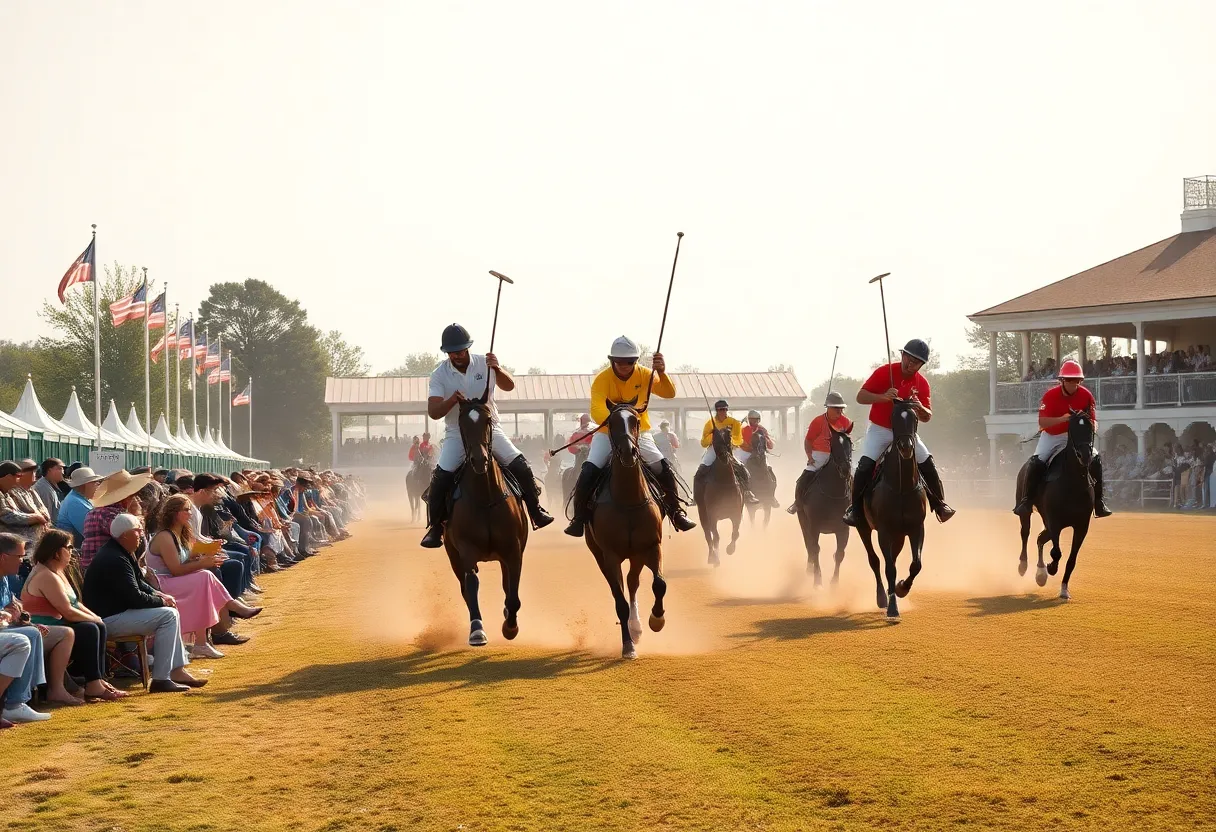
Club matches represent the regular competitive heartbeat of the polo community. These matches can be friendly scrimmages or part of organized leagues and tournaments. Club-level play is often more social and community-oriented than professional circuits, with a strong emphasis on sportsmanship, teamwork, and local rivalry.
Match formats vary by handicap levels and the number of chukkas (periods) played. Teams are usually composed based on player ability to ensure balanced play. Club matches frequently rotate through home fields and shared venues, allowing players to experience different playing surfaces and field conditions.
Spectators at club matches can expect an informal, family-friendly atmosphere. Typical features include on-site refreshment stands, seating areas near the field, and occasionally, informal post-match gatherings in which players and fans mingle.
Charity Games: Polo for a Purpose
Charity games integrate the sporting aspects of polo with philanthropic initiatives. These events raise awareness and funds for local causes, community services, or youth development programs. Charity matches are often scheduled as showcase events with additional attractions such as silent auctions, food vendors, family activities, and public education booths on equine welfare and safety.
In many charity games, match formats are adapted to maximize participation and entertainment value, with shorter chukkas, mixed-ability teams, and sometimes celebrity or exhibition players to boost visibility. These events can be an effective way to introduce newcomers to polo in a relaxed, community-minded environment.
Community Impact and Volunteer Opportunities
Polo events in Aiken serve multiple community roles: developing youth sports, providing recreational opportunities, and supporting local causes. Volunteers are essential to running clinics, coordinating matches, managing parking, and operating refreshment or merchandise booths. Opportunities for volunteers include event setup, safety marshaling, hospitality roles, and educational outreach. Volunteering is a practical way for community members to support the sport while gaining insight into event operations.
How to Attend or Participate
For those interested in attending, most club matches and charity games have defined public viewing areas and may offer reserved seating for certain events. Check local event listings for start times, suggested arrival times, and any admission fees. Participants looking to join clinics should inquire about registration windows, equipment lists, and minimum riding experience.
Practical tips for attendees:
- Arrive early to find parking and pick a shaded viewing spot.
- Bring sun protection and hydration; many fields are open with limited shade.
- Follow venue rules regarding pets and accessibility.
- Listen to field marshals and adhere to safety signage.
Etiquette and Spectator Guidelines
Spectator etiquette is straightforward: remain clear of active zones, respect horse and player space, and avoid sudden loud noises near the field. Applause and courteous reception of players are encouraged. Photography is usually permitted for private use, but drone activity may be restricted for safety reasons.
Developing a Polo Pathway for Youth
A sustainable youth pathway typically combines clinic participation, junior matches, and mentorship from more experienced players. Progressive skill assessments help place youngsters in appropriate competitive slots. Horse care education is integral: understanding feeding, grooming, tack maintenance, and basic veterinary awareness fosters a sense of responsibility that benefits both the animal and rider.
Costs and Financial Considerations
Costs vary depending on the level of involvement. Clinic fees generally cover instruction, arena time, and possibly horse rental. Club matches may have team dues, field fees, and equipment costs. Charity games typically charge an admission fee or suggest donations. Families should budget for helmets, boots, appropriate riding attire, and occasional gear replacement for growing youth participants.
Measuring Success Beyond Scores
Success in the Aiken polo community is measured in multiple ways beyond match outcomes. For youth clinics, progress is often evaluated by improvements in riding balance, mallet technique, understanding of rules, and confidence in team situations. For clubs and charity events, measures of success include community turnout, funds raised for causes, recruitment of new players, and volunteer engagement.
Future Directions and Growth Opportunities
Opportunities for growth include expanding clinic accessibility through scholarships or sliding-scale fees, increasing outreach to local schools and youth organizations, and using charity events to build a broader public appreciation of equestrian sports. Continued investment in field maintenance and instructor development will help ensure a safe and welcoming environment for new generations of players.
FAQ
What ages are appropriate for youth polo clinics?
Clinics typically accept children from pre-teen ages through adolescence, with programs grouped by age and ability. Introductory clinics may accept younger riders if they meet minimum riding competence and height/weight safety criteria.
Do I need to bring my own horse?
Many clinics provide school ponies or horses for participants, but some programs encourage riders to bring their own mount. Check the specific clinic details for horse availability and rental fees.
What safety gear is required?
Standard safety gear includes an approved riding helmet, appropriate boots with a heel, and sometimes face guards or protective vests for competitive play. Organizers may provide or require specific equipment standards.
How can spectators best enjoy a match?
Arrive early for good viewing spots, bring sun protection and water, and follow venue rules. Respect player and horse space and remain outside active zones for safety.
Are charity games family-friendly?
Yes, charity games often include family-oriented activities, food vendors, and educational displays, making them accessible to all ages while promoting philanthropic causes.
Helpful Table: Typical Clinic & Match Formats
| Event Type | Typical Duration | Recommended Age/Skill | Focus Areas | Common Cost Range |
|---|---|---|---|---|
| Introductory Clinic | Half-day to full-day | Beginners, ages 8+ | Basic riding, mallet handling, safety | Low to moderate |
| Intermediate Clinic | Full-day or multiple days | Riders with basic experience | Team drills, riding control, simple tactics | Moderate |
| Advanced Clinic / Camp | Multi-day | Experienced junior and teenage players | Match simulations, advanced tactics, fitness | Moderate to high |
| Club Match | 1–2 hours per match | All adult and junior levels (by division) | Competitive play, teamwork, seasonal series | Low to moderate (due to team fees) |
| Charity Game | 1–3 hours (event day) | All ages for spectators; mixed players | Fundraising, exhibition match, public engagement | Admission or donation-based |
Whether you are considering enrolling a child in a clinic, joining a club match, or attending a charity game, Aiken’s polo scene offers structured, welcoming opportunities to experience equestrian sport. Prioritizing safety, progressive learning, and strong community involvement ensures that the sport remains accessible and sustainable for future participants.

Author: STAFF HERE AIKEN
The AIKEN STAFF WRITER represents the experienced team at HEREAiken.com, your go-to source for actionable local news and information in Aiken, Aiken County, and beyond. Specializing in "news you can use," we cover essential topics like product reviews for personal and business needs, local business directories, politics, real estate trends, neighborhood insights, and state news affecting the area—with deep expertise drawn from years of dedicated reporting and strong community input, including local press releases and business updates. We deliver top reporting on high-value events such as the Aiken Horse Show, Aiken Bluegrass Festival, and polo matches at Whitney Field. Our coverage extends to key organizations like the Aiken Chamber of Commerce and the Aiken County Historical Museum, plus leading businesses in manufacturing and tourism that power the local economy such as Bridgestone and the Aiken County Visitors Center. As part of the broader HERE network, including HEREAiken.com, HEREBeaufort.com, HEREChapin.com, HERECharleston.com, HEREClinton.com, HEREColumbia.com, HEREGeorgetown.com, HEREGreenwood.com, HEREGreenville.com, HEREHiltonHead.com, HEREIrmo.com, HEREMyrtleBeach.com, HERENewberry.com, HERERockHill.com, and HERESpartanburg.com, we provide comprehensive, credible insights into South Carolina's dynamic landscape.